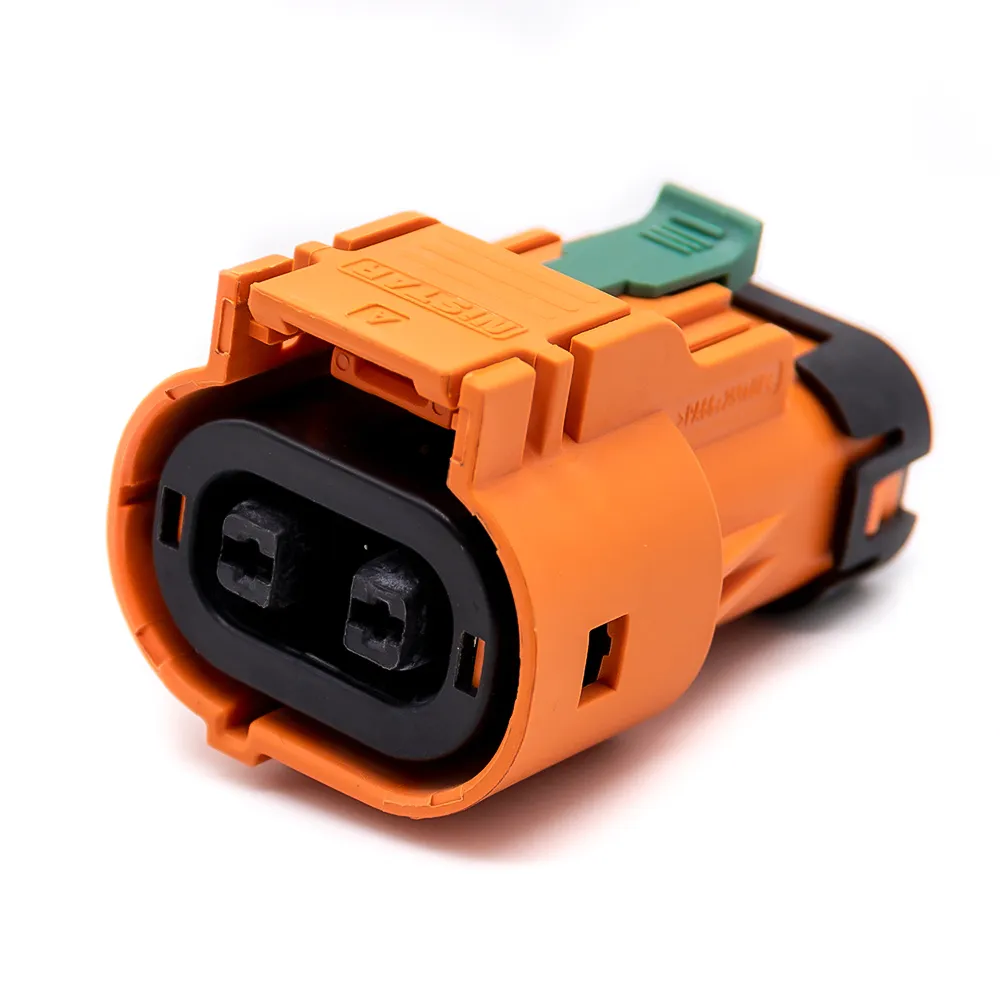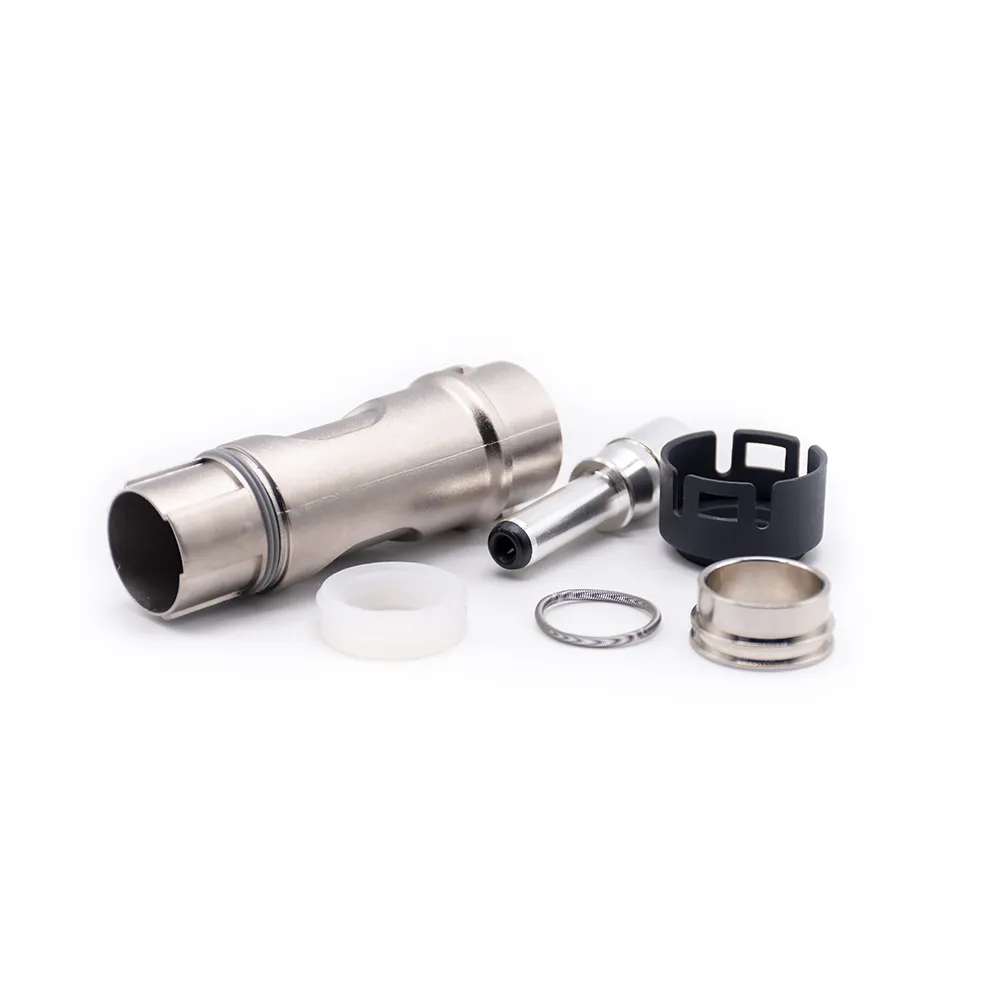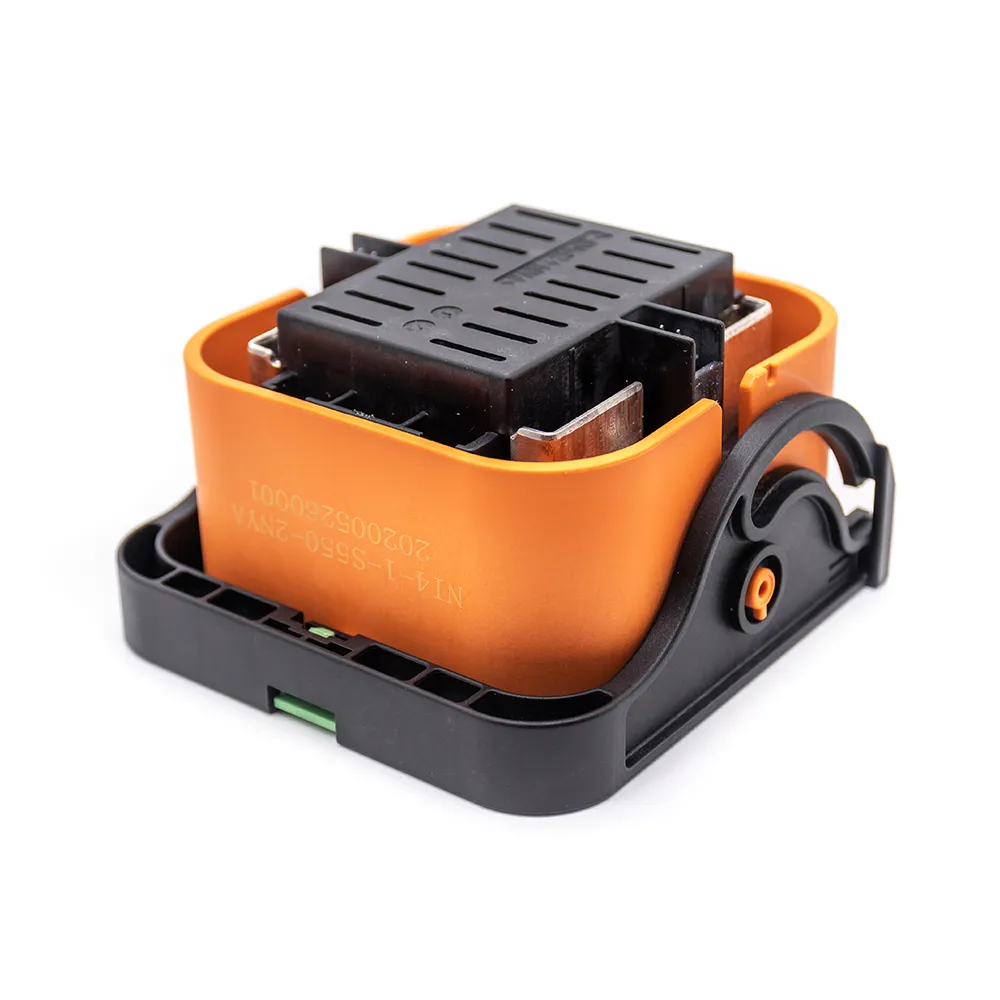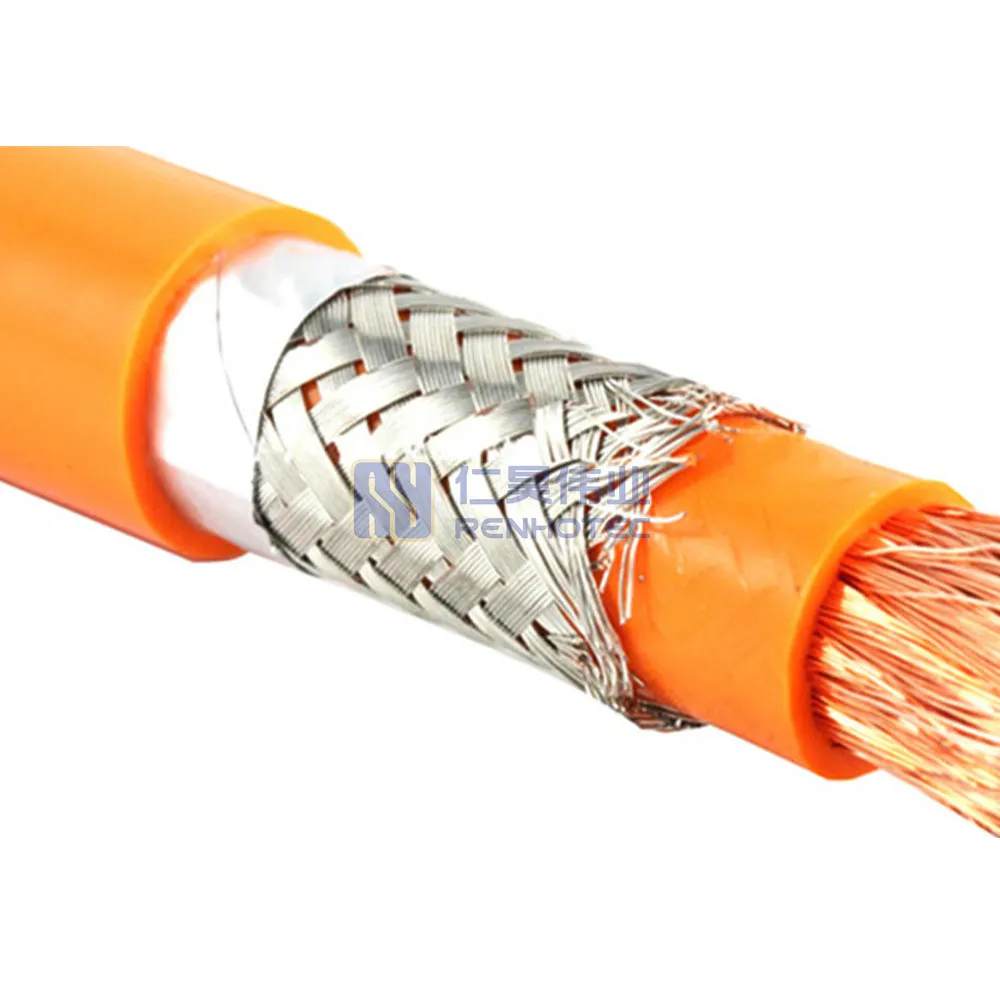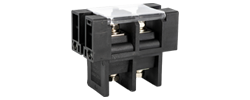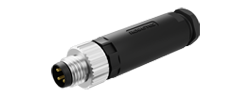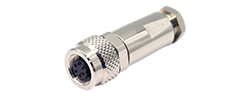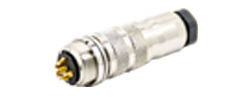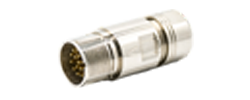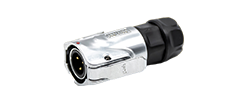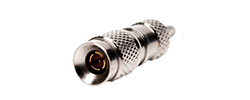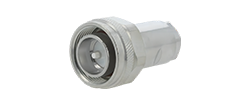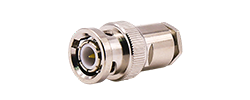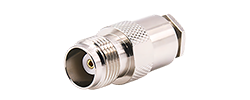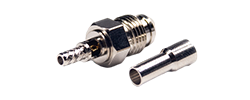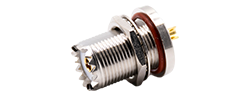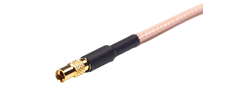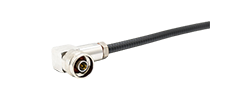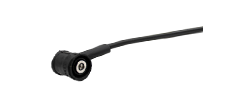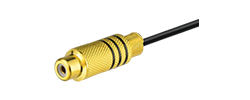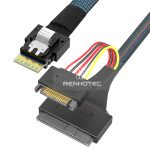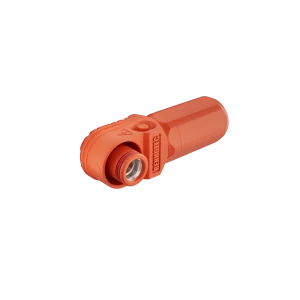
60A - 120A
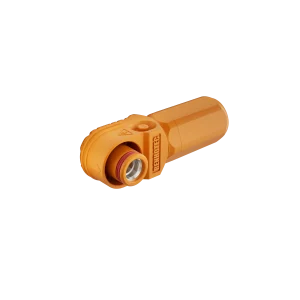
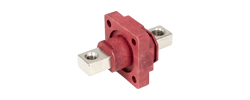
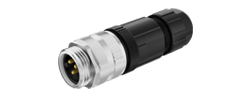
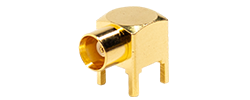
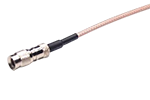
125A - 200A
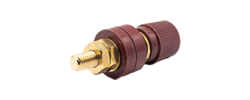
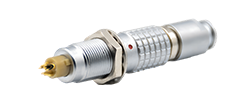
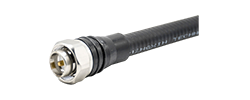
250A - 350A
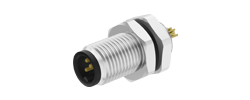
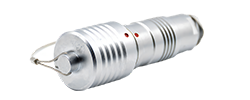
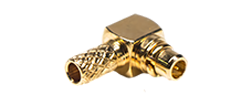
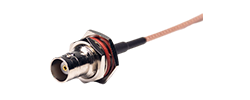
400A - 480A


Sensor connectors play a crucial role in industrial automation, offering reliable and efficient solutions for transmitting signals, data, and power. Available in various types, including male and female connectors and sensor cables, these connectors are designed to support a wide range of automation applications. With coding options like A-coded for sensors and actuators, B-coded for Fieldbus networks, and X-coded for high-speed data transfer up to 10Gbps, m series sensor connectors provide versatile and robust connectivity. Built for optimal compatibility and performance, they ensure seamless integration and reliable operation in complex automation systems.
Renhotec offers an extensive selection of circular sensor connectors specifically designed to meet the evolving demands of modern industrial automation. Our range includes M5, M8, M9, M12, M16, M23, and 7/8" connectors, among others.Our connectors are engineered for durability and efficiency, delivering dependable solutions for signal, data, and power transmission across diverse industrial environments.
Renhotec Group is committed to delivering high-quality products, recognized for their superior performance and reliable quality. To achieve this, we adhere to a strict audit and quality inspection process. After more than a decade of effort and technical expertise, the company has obtained the ISO 9001 and IATF16949 quality management system certifications, as well as international certifications including UL (United States), TUV (Germany), and CE and RoHS (Europe).


If you have any specific needs or ideas, our development and design team is here to help. We're ready to collaborate with you to create a connector system tailored to your unique requirements. Whether you’re looking for a custom solution or simply have questions, don't hesitate to reach out.
Just Contact us!
Sensor connectors use various coding systems to ensure proper mating and compatibility in different applications. These coding systems are crucial for preventing incorrect connections and are tailored for specific uses. Here are the most common types of coding used in Sensor cables:
Sensor connectors are vital for connecting sensors to devices or systems, and a variety of accessories are available to enhance their performance and durability in different applications. These accessories include:
These accessories enhance the lifespan and reliability of sensor connectors, ensuring optimal performance even in challenging industrial environments.
IO-Link is a serial digital communication protocol used in automation technology, connecting sensors or actuators to a Programmable Logic Controller (PLC). Essentially, IO-Link enables the complete digitization of communication links with sensors and actuators. It is defined under the international standard IEC 61131-9.
In scenarios where binary states (on/off) or analog signals are currently being sent, IO-Link allows the reading of status information from sensors or actuators and writing of parameterization data to them. IO-Link is not another fieldbus system; rather, it’s a point-to-point communication protocol between IO-Link devices and IO-Link masters.
The physical interface for IO-Link communication uses up to a five-wire standard cable (M12-5), although four-wire cables (M12-4, M5, M8) are also common. Among these, the M12-4 and M12-5 cables are the most widely used in the market. The only difference between the two is that the M12-5 interface has an additional fifth wire in the center. IO-Link masters typically use the M12-5 interface to ensure compatibility with devices that support either M12-5 or M12-4 interfaces.
IO-Link ports are classified into two types based on connection methods: Class-A and Class-B.