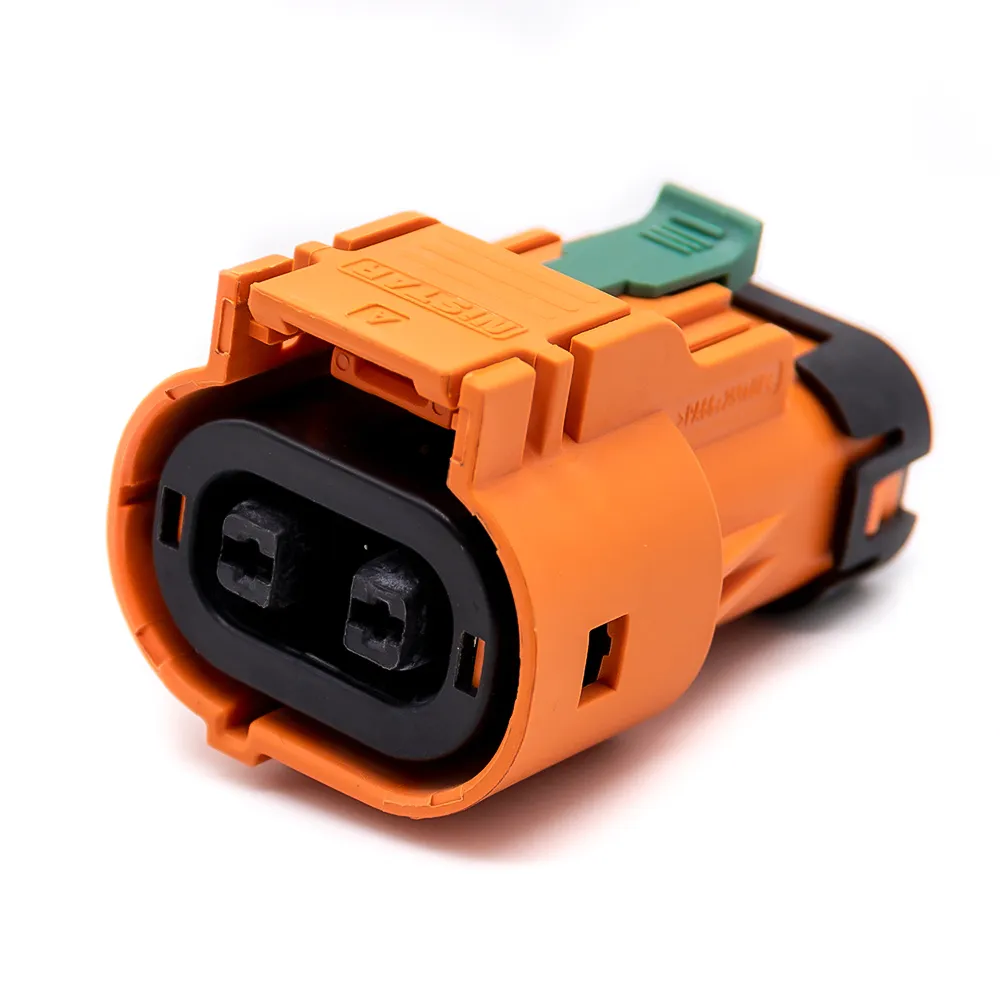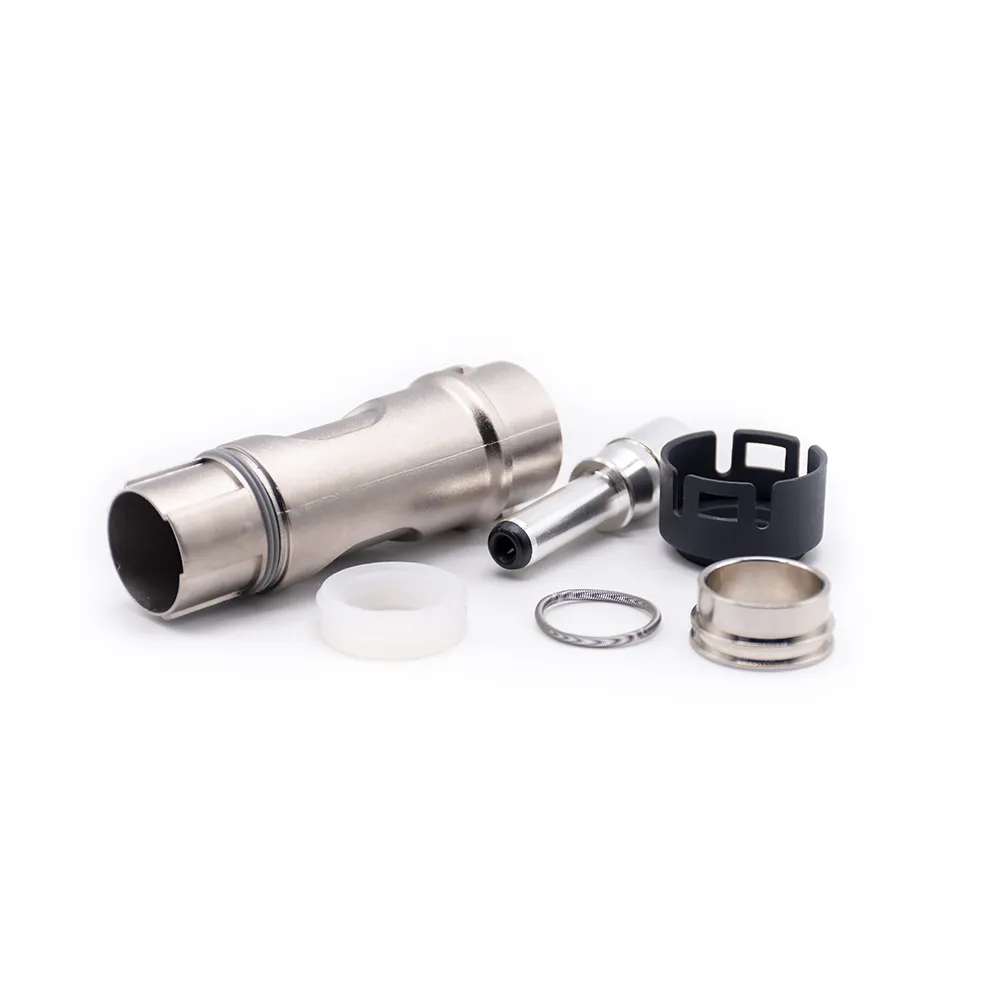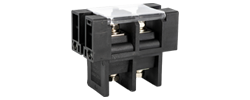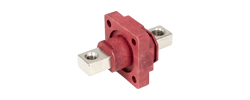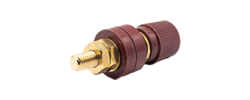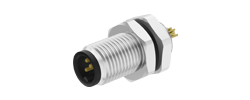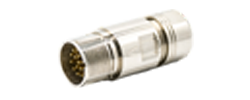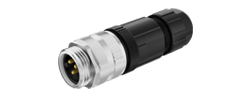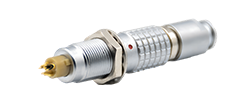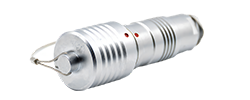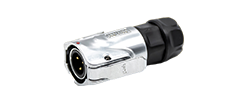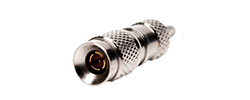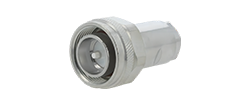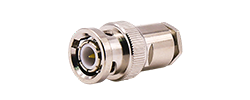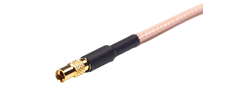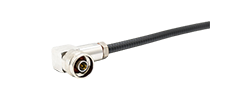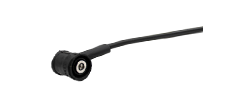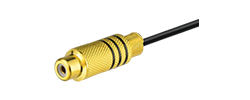
60A - 120A
125A - 200A
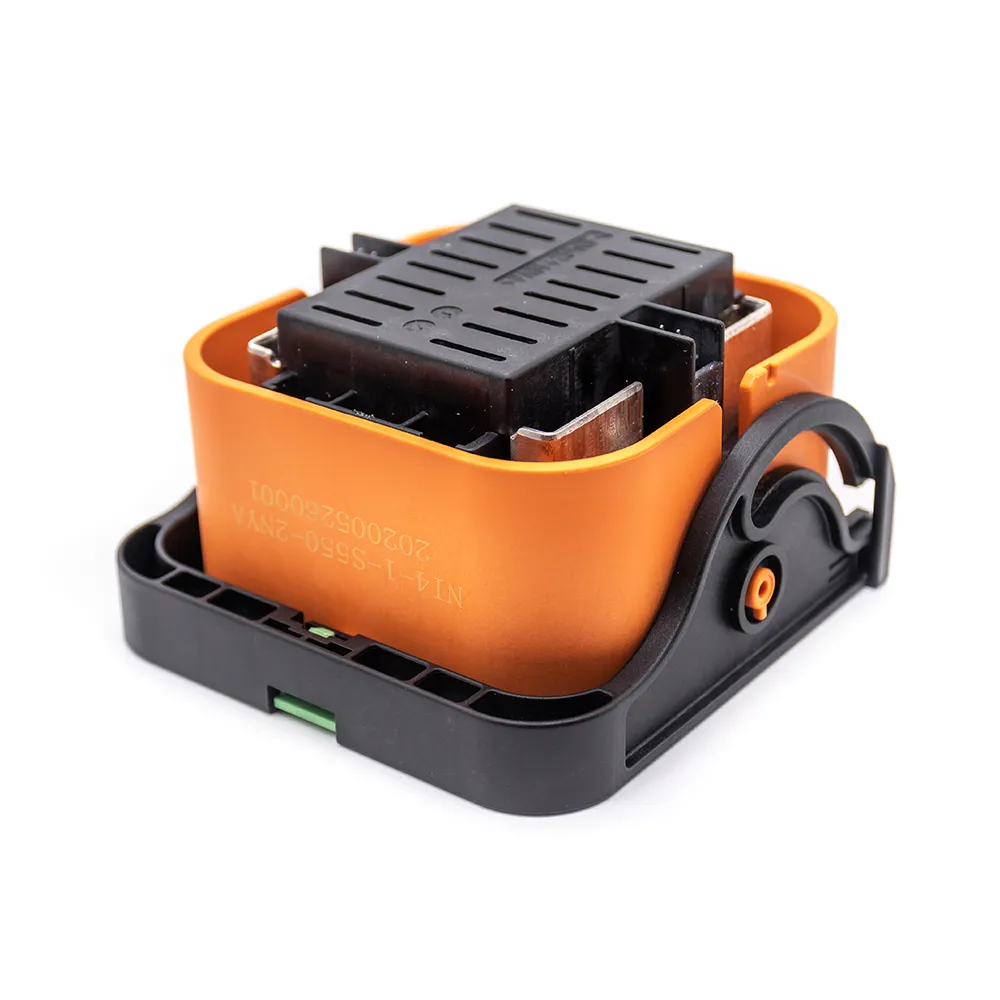
250A - 350A
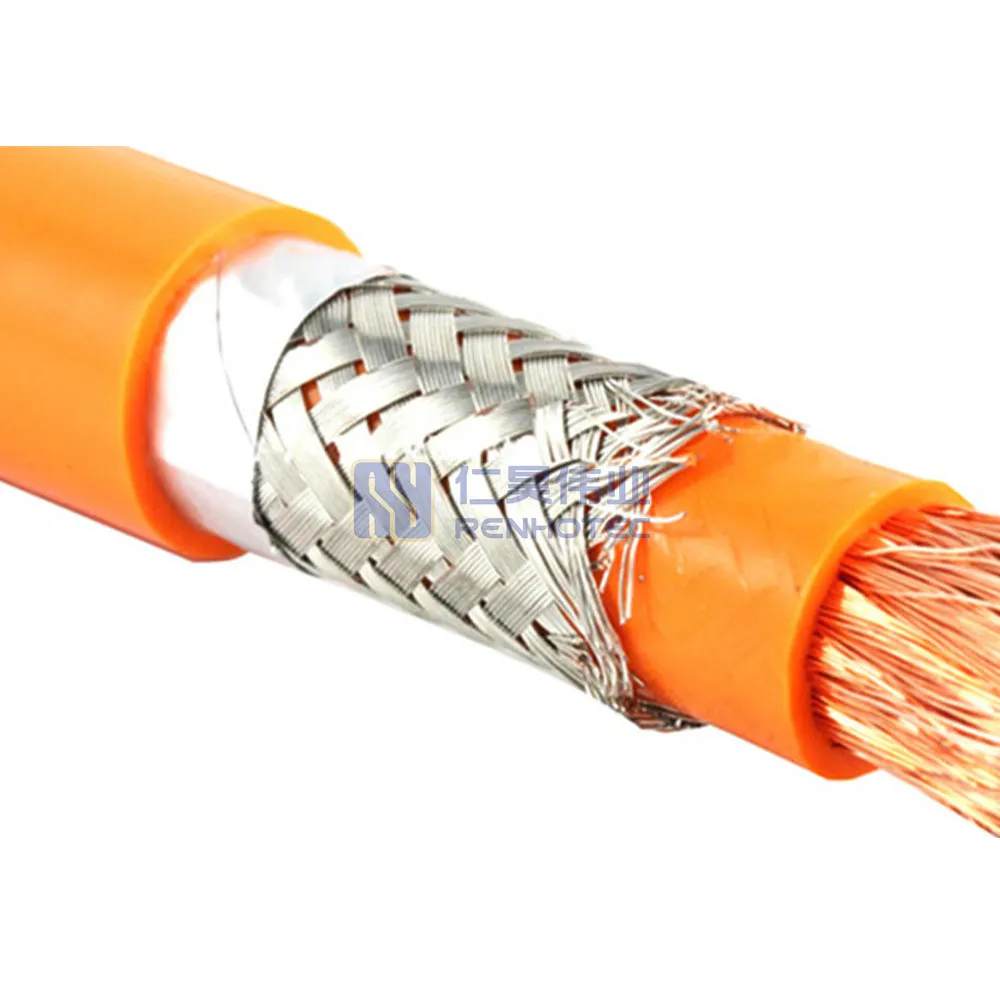
400A - 480A
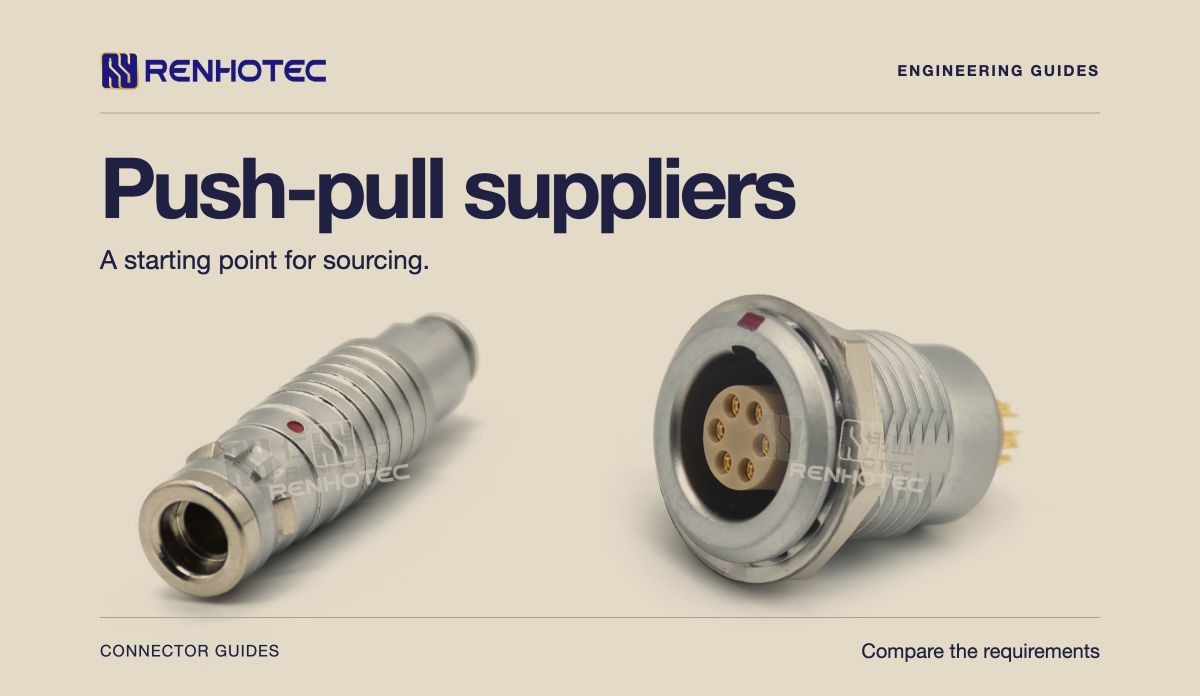
Connector sourcing · technical shortlist
Narrow the candidate families, identify a specific mating set, then compare the evidence and supply route for that configuration.
For a new design, shortlist connector families by release behavior, environment and termination. For a replacement, start with the installed part numbers and mating drawings: a similar shell or shared series letter does not establish cross-brand compatibility.
This guide helps prepare a first technical shortlist from published information. It covers selected LEMO, Fischer, ODU, Amphenol and Renhotec ranges, followed by the evidence needed to compare quotations. It does not rank suppliers or report laboratory testing.
Choose the product
Define the plug, receptacle, circuits, panel space and cable. The family comparison below narrows the search before part-level qualification.
Choose the supply route
After identifying the configuration, compare support, traceability, assembly services and a dated quotation for the same quantity.
Each row describes a family or an explicitly named example. The options listed within a family are not necessarily available together in one part. Follow the linked source to select the exact configuration.
| Family / source | Release behavior | Environment reference | Termination reference |
|---|---|---|---|
| Amphenol · Ram-Lock | Positive push-pull locking across several product lines | Harsh-environment range; select the product line before applying a sealing specification | Several contact termination styles; exact options depend on the chosen line |
| Fischer · Core Brass | Push-pull, quick-release or friction variants | Unsealed mated versions IP50; specified sealed-clamp mated configurations IP68/IP69 | Solder, crimp or PCB options |
| LEMO · B / K | Push-pull self-latching | B: protected indoor use, IP50. K: outdoor family, IP68; confirm the selected assembly conditions | Solder, crimp or PCB options |
| ODU · MINI-SNAP | Push-pull locking or break-away variants | IP50 and IP68 configurations within the range | Solder, crimp or PCB options |
| Renhotec · B / K | Listed as push-pull self-locking; example product pages describe fastening as snap-on | The two product pages linked below do not state an IP rating; obtain the exact assembly specification | Panel sockets and cable plugs are listed; select the contact termination from the part drawing |
If the cable must separate under a deliberate pull, begin with the explicit quick-release or break-away variants. If water exposure is a requirement, exclude an IP50-only configuration and compare sealed assemblies under the same mated, unmated and panel-sealing conditions. These two requirements narrow the list more usefully than a brand-wide mating-cycle maximum.
Consider a new indoor instrument with a removable cable, deliberate sleeve release, no water-ingress requirement and a panel socket. Push-pull locking is the relevant release behavior. LEMO B and suitable locking variants in Fischer Core or ODU MINI-SNAP are starting points; Renhotec B is another range to investigate through its panel and cable parts. Final selection then turns on the contact assignment, dimensions and cable termination.
If the same instrument moves to washdown service, that initial shortlist must change. The selected assembly needs evidence for water exposure and cleaning agents; the indoor IP50 choice cannot carry over unchanged. Fischer’s Core range also separates brass, stainless steel and plastic constructions, so specify the cleaning process before choosing a material.
This is a selection example, not a tested application. It shows where a requirement changes the candidate list; it does not establish that differently branded parts mate with one another.
The examples below identify different mounting roles. They are separate products, not a proposed mating pair. Use the exact SKU when opening a drawing or asking for a cable configuration.
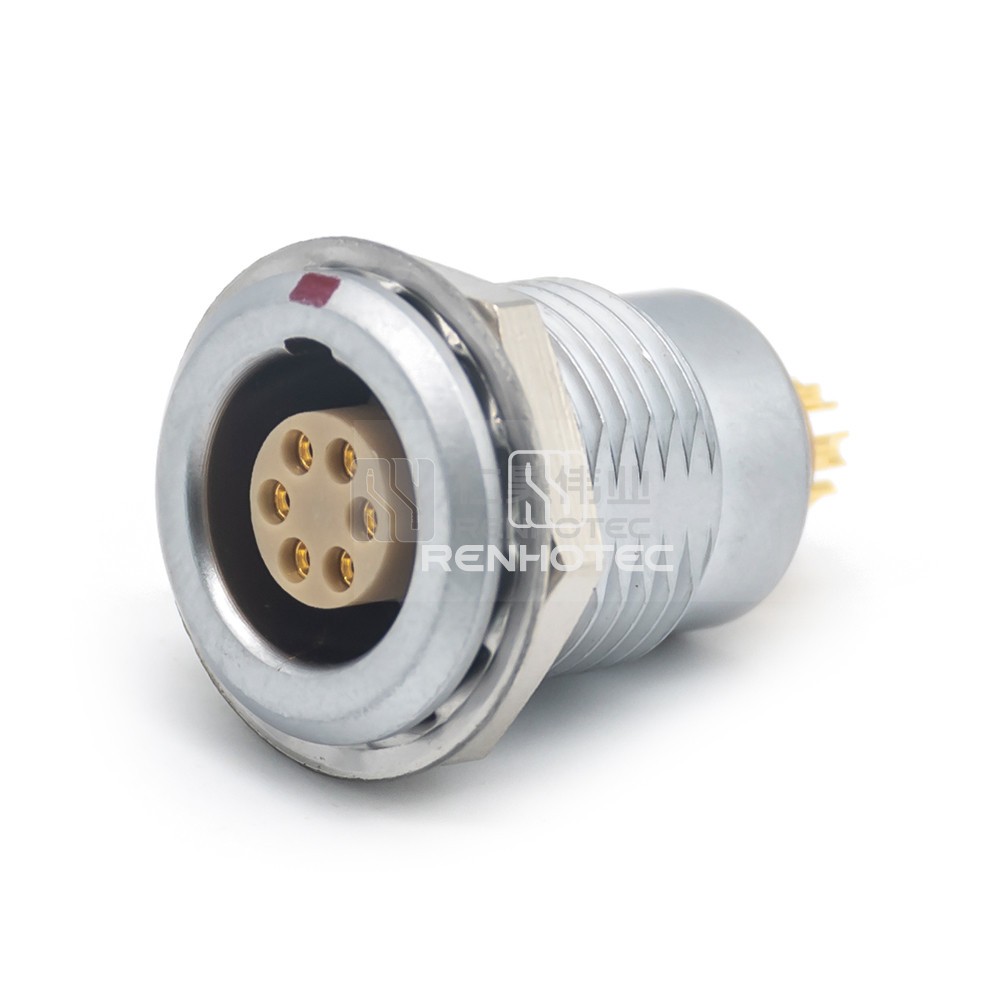
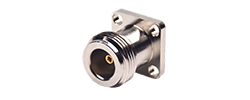
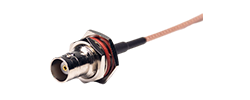
B-series straight female socket, listed for back mounting. Start here when reviewing the fixed panel side; obtain the opening and matching plug drawing.
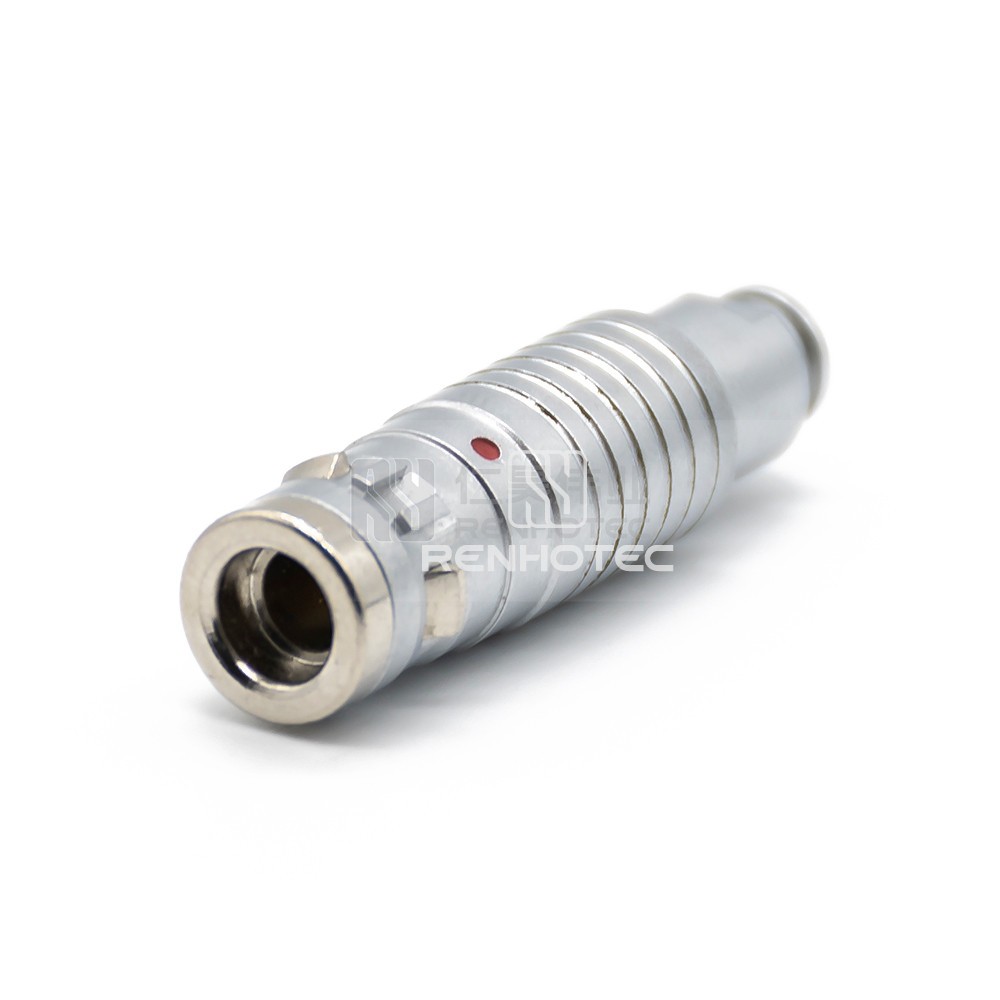
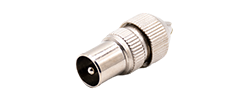
K-series straight male plug. Start here when reviewing the removable cable side; identify its approved receptacle and cable-entry configuration.
Both product pages list a copper-alloy shell and shielding. They do not establish a complete mating-set specification or an ingress-protection condition. Browse Renhotec B-series configurations or K-series configurations for other mounting arrangements, then request the selected part drawings and mating set with the panel and cable requirements.
RS describes itself as an authorized distributor of industrial and interconnect products. Use the manufacturer and exact series shown on a listing when comparing connector specifications.
PEI-Genesis is a distribution and assembly channel for connector brands. LEMO’s US distributor list includes it. Confirm current authorization and services for your region and product.
A distributor can be the appropriate route for a standard part, local supply or a supported assembly service. The manufacturer remains the source of the connector design specification. Obtain traceability and any assembly documentation from the organization supplying the finished item.
Stock, minimum order quantity and lead time change. Compare dated quotations for the same configuration and quantity, including accessories, tooling, cable work and required inspection. A stock headline for one shell does not establish availability of a complete custom harness.
Give each supplier the same requirements. Separate a documented match from an unanswered question; otherwise a blank field can be mistaken for a pass.
| Requirement | Ask for | Compare on this basis |
|---|---|---|
| Mating interface | Plug and receptacle part numbers; interface drawings | Approved mating pair, keying and polarization |
| Electrical circuits | Contact count, signal/power assignment and applicable ratings | Actual load and operating conditions per circuit |
| Environment | Sealing, temperature, chemical and vibration evidence as required | The same conditions, assembled state and test scope |
| Use and handling | Mating cycles, release method, retention and service limits | Expected use rather than the largest catalogue number |
| Cable assembly | Cable construction, termination method, strain relief and inspection plan | The complete assembly, including shield termination where relevant |
| Manufacturing fit | Panel opening, envelope, tooling and assembly instructions | Existing mechanical design and available production process |
| Supply and traceability | Revision, source, lot records, lead time and change notification | The quoted configuration and quantity |
For each requirement, record whether the quoted part meets it, fails it, or still needs supporting documentation. Ask the supplier for the missing drawing or test conditions before treating that requirement as met.
Compare mating-cycle claims only when the selected parts, test method and conditions match. A larger family-level figure does not resolve sealing, electrical-load or handling requirements.
If price becomes decisive after the technical review, compare the cost of the usable assembly. Extra tooling, sealing accessories, inspection, rework or panel changes can outweigh a small difference in connector unit price.
An “equivalent” request needs a defined meaning. It may mean the same function in a redesigned panel, a replacement for both halves of a connection, or a part that must mate with the existing connector. Those are different engineering tasks.
Collect both part numbers, shell/insert details, keying, contact arrangement and cable construction. Photograph labels and mating faces without treating the photograph as an electrical drawing.
State whether the panel opening, mating half, cable termination and tooling must remain. Identify certification or qualification requirements tied to the existing assembly.
Check interface dimensions, contact assignment, seals and mechanical envelope. Ask the supplier to identify the supported mating combination explicitly.
Agree the inspection and test plan for the actual assembly. A successful mechanical fit alone does not establish electrical, environmental or lifecycle equivalence.